Source recovery gummies for athletes, post-workout, and muscle repair
Compare 30 recovery gummies from verified manufacturers offering customizable flavors, shapes, and formulations. Buyers can evaluate options for adults and children with features like sugar-free, vitamin-enriched, and gelatin or pectin-based compositions.
Key considerations
Products List


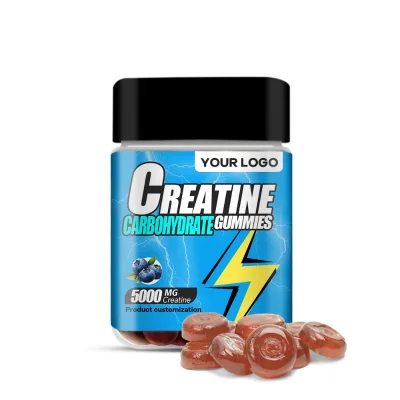


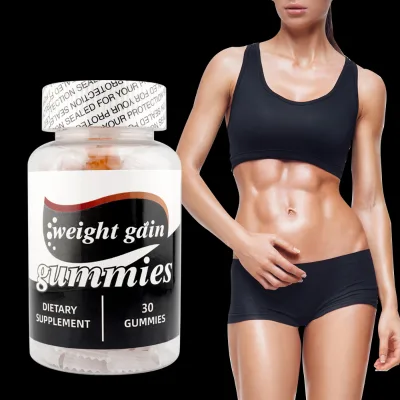


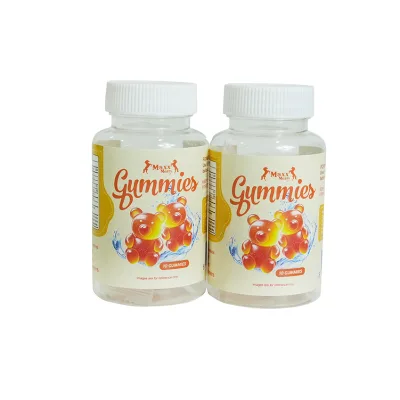
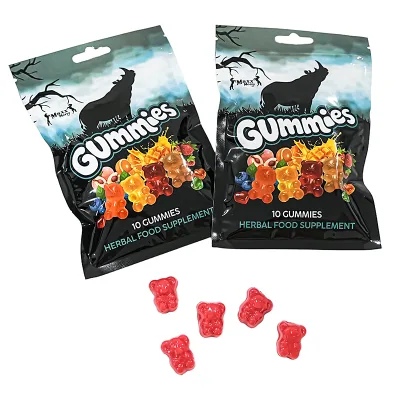
Comprehensive Sourcing Guide
Strategic Sourcing Guide for Recovery Gummies
Understanding the Product Category and Technical Specifications
Recovery gummies represent a specialized segment within the broader dietary supplement and functional food market, designed to support physiological restoration after physical exertion or daily stress. Unlike standard confectionery, these products are engineered with specific active ingredients and delivery mechanisms to facilitate muscle repair, replenish electrolytes, or support metabolic recovery. The core technical specifications for these products vary significantly based on the intended recovery mechanism. In the current market, formulations often rely on gelling agents such as pectin or gelatin, with pectin being a preferred choice for plant-based and vegan recovery solutions. The physical form is consistently defined as gummy candy, which offers a convenient dosage form that bypasses the need for water or swallowing large capsules.
The physical attributes of recovery gummies are critical for both consumer experience and supply chain logistics. Typical shapes include bears, drops, heart shapes, or orange segments, with customization available to meet brand-specific identity requirements. The color profile is often vibrant, ranging from yellow to blueberry or strawberry hues, though custom coloring is a standard service offering. Flavor profiles are equally diverse, with lemon, blueberry, strawberry, and orange being common base options, often customizable to align with target demographics. The packaging format is equally variable, ranging from individual bottles and sachets to bulk bags and cartons, with a standard shipping configuration often cited as 24 bottles per carton.
| Specification Category | Common Observations | Customization Potential |
|---|---|---|
| Base Material | Pectin, Gelatin/Pectin blend | High (Vegan or Traditional) |
| Dosage Form | Gummy Candy | Low (Standardized) |
| Active Ingredients | Vitamins, Minerals, Melatonin, Magnesium | High (Tailored formulas) |
| Packaging Unit | Bottle, Sachet, Bag, Bulk | High (Branding and Volume) |
| Target Audience | Adults, Children | High (Age-specific formulations) |
Compliance, Certification, and Regulatory Standards
Navigating the regulatory landscape is paramount when sourcing recovery gummies, as these products straddle the line between food supplements and functional foods. Buyers must verify that suppliers adhere to rigorous quality management systems. High-confidence data indicates that reputable manufacturers typically hold certifications such as HACCP (Hazard Analysis and Critical Control Points), GMP (Good Manufacturing Practice), and ISO standards. These certifications are not merely marketing tools but are essential indicators of a facility's ability to maintain consistent product quality and safety.
For international trade, additional certifications may be required depending on the destination market. Evidence suggests that suppliers capable of serving global markets often possess Kosher, JAS (Japanese Agricultural Standard), OCIA, NOP (National Organic Program), and QS certifications. The presence of these marks implies that the facility meets specific organic, religious, and safety criteria. When evaluating a potential supplier, buyers should explicitly request copies of current certificates and verify their validity with the issuing bodies. It is also crucial to confirm that the product standard aligns with the intended market, such as the requirement for 24 bottles per carton for efficient logistics or specific weight limits for single packages.
Furthermore, the "Product Type" is generally classified as food, which subjects the gummies to food safety regulations rather than pharmaceutical standards. However, claims regarding "recovery" or "function" can trigger regulatory scrutiny in certain jurisdictions. Buyers should ensure that the supplier's documentation clearly delineates between nutritional support and medical claims to avoid compliance issues. The storage requirements, typically specified as a cool, dry place or sealed environment, must be clearly communicated to the end-user to maintain the integrity of the active ingredients over the product's shelf life, which is commonly observed to be 24 months or longer.
Cost Drivers and Pricing Dynamics
The pricing structure for recovery gummies is influenced by a complex interplay of factors, including ingredient quality, customization levels, and order volume. The observed price range in the market is exceptionally broad, spanning from $0.02 to $6,500 per unit or batch, reflecting the diversity from single-sample inquiries to large-scale industrial contracts. This variance is primarily driven by the "Selling Units" and the scale of the order. Small MOQs (Minimum Order Quantities) starting at 1 unit allow for sampling and small-batch testing but carry a higher per-unit cost. Conversely, large orders with MOQs reaching up to 600,000 units can significantly reduce the cost per gummy through economies of scale.
Material selection is a primary cost driver. Pectin-based gummies often command a different price point compared to gelatin-based options due to sourcing and processing differences. Additionally, the inclusion of specialized active ingredients, such as Magnesium Glycinate Advanced Complex or Melatonin, adds to the raw material cost. Customization services, including private labeling, OEM (Original Equipment Manufacturer), and ODM (Original Design Manufacturer) capabilities, also introduce variable costs. Suppliers offering "Function Can Be Customized" services require additional R&D and formulation time, which is reflected in the final price.
Buyers should also consider the logistical costs associated with packaging and shipping. The single gross weight of 1.500kg for a standard package and the specific package size of 18x9.5x12 cm impact freight calculations. Bulk packaging options like barrels or cartons may offer better freight efficiency compared to individual sachets. The "Service" aspect, particularly the provision of OEM/ODM private label services, often includes design, regulatory compliance checks, and packaging customization, all of which contribute to the overall cost structure. Understanding these drivers allows buyers to negotiate more effectively and align their budget with their specific volume and quality requirements.
Typical Applications and Target Demographics
Recovery gummies are versatile products designed to meet the needs of a wide range of consumer segments. The primary application is post-exercise recovery, where the gummies deliver essential nutrients to aid muscle repair and replenish energy stores. In this context, the inclusion of vitamins, minerals, and specific amino acids is critical. The "Feature" list often highlights attributes like "Trans-fat Free," "Sugar-free," "Organic," "Low-fat," and "Dairy-free," catering to health-conscious consumers who are mindful of their dietary intake while seeking performance benefits.
The target demographic for these products is broad, encompassing both adults and children. This dual applicability requires careful formulation to ensure safety and efficacy for different age groups. For adults, the focus is often on performance enhancement, stress management, and sleep support, with ingredients like Melatonin for sleep recovery or Magnesium Glycinate for mood support and muscle relaxation. For children, the emphasis shifts to nutritional support, with formulations focusing on Vitamin D, Calcium, and general mineral supplementation. The "Taste" profile, described as sweet, is a key factor in ensuring compliance, especially for pediatric products where palatability is essential for consistent consumption.
Specific applications also extend to general wellness and lifestyle support. Products marketed for "Mood Support" or "Sleeping" utilize the gummy format to provide a convenient, non-invasive way to manage daily stress and improve sleep quality. The "Effectiveness" of these gummies is often customizable, allowing brands to tailor the formula to specific recovery needs, such as joint support via Glucosamine or general vitality through vitamin blends. The ability to customize flavors, shapes, and colors allows brands to create a unique identity that resonates with their specific audience, whether it is a high-performance athletic brand or a family-oriented wellness company.
Supplier Evaluation and Service Capabilities
Selecting the right supplier is a critical step in the procurement process, requiring a thorough evaluation of their technical capabilities, service offerings, and operational stability. Buyers should prioritize suppliers that offer comprehensive OEM and ODM private label services, as this indicates a willingness to collaborate on product development and branding. The availability of "Customization" for ingredients, flavors, shapes, and packaging is a strong indicator of a flexible and capable manufacturing partner. Suppliers that explicitly state "Function Can Be Customized" and encourage buyers to "Ask Customer Service" demonstrate a commitment to meeting specific client needs.
Geographic location is another important factor. Many suppliers are based in China, with specific hubs like Guangzhou, Guangdong, emerging as key manufacturing centers. This location offers access to a robust supply chain and cost-effective production, but buyers must also consider lead times and logistics. The "prod_origin" field often lists China or specific cities, which can influence shipping costs and delivery timelines. Buyers should verify the supplier's capacity to handle large volumes, as indicated by the observed MOQ range extending up to 600,000 units.
Quality control processes are essential to ensure that the final product meets all specifications. Suppliers should have a clear "Storage Method" protocol, such as sealing and storing in cool, dry places, to maintain product integrity. The "Shelf-Life" of 24 months or more is a standard benchmark, but buyers should verify that the supplier has the infrastructure to maintain this quality throughout the supply chain. Additionally, the "Single Gross Weight" and "Single Package Size" should be consistent with the supplier's stated capabilities to avoid unexpected logistical issues.
Quality Control and Long-Term Procurement Considerations
Maintaining consistent quality over the long term requires a robust quality control framework. Buyers must ensure that the supplier adheres to the specified "prod_standard" and "prod_packing" requirements. For instance, the standard of 24 bottles per carton and the use of specific packaging materials like bottles, sachets, or bulk bags must be strictly followed to prevent damage during transit. The "Storage" requirements, such as sealing and keeping in a cool, dry place, must be communicated clearly to all parties in the supply chain to prevent degradation of the active ingredients.
Long-term procurement considerations also involve the stability of the supply chain and the supplier's ability to scale. The observed MOQ range of 1 to 600,000 units suggests that suppliers can accommodate both small startups and large enterprises. However, buyers should assess the supplier's capacity to handle fluctuations in demand without compromising quality. The "Shelf-Life" of 24 months or more provides a buffer for inventory management, but buyers should plan for regular quality checks to ensure that the product remains within specification over time.
Finally, buyers should establish clear communication channels with the supplier regarding any changes in formulation, packaging, or regulatory requirements. The "Service" aspect, including private labeling and customization, should be documented in a formal agreement to ensure that all expectations are met. By focusing on these quality control and long-term considerations, buyers can build a sustainable and reliable supply chain for recovery gummies that meets the evolving needs of the market.
FAQs
What certifications do recovery gummy manufacturers hold?
Reputable manufacturers typically hold HACCP, GMP, and ISO certifications. Some suppliers also possess Kosher, JAS, OCIA, NOP, and QS marks to meet international organic and safety standards for global trade.
Can I customize the flavor and shape of the gummies?
Yes, customization is available for flavors like lemon, blueberry, and orange, as well as shapes such as bears, drops, and hearts. Buyers can request specific designs to align with their brand identity.
What are the available packaging options for bulk orders?
Packaging options include bottles, sachets, bags, and bulk barrels. Standard shipping configurations often specify 24 bottles per carton, with single package sizes around 18x9.5x12 cm for efficient logistics.
Which active ingredients are commonly included in these gummies?
Common ingredients include vitamins, minerals, magnesium glycinate, melatonin, and glucosamine. Formulations can be tailored to support mood, sleep, or joint recovery depending on the specific product model selected.
How long is the shelf life of the recovery gummies?
The shelf life is typically 24 months or longer when stored correctly. Products must be kept in a cool, dry place and sealed to maintain the integrity of active ingredients over time.
What is the minimum order quantity for these supplements?
Minimum order quantities range from 1 unit for sampling up to 600,000 units for large-scale industrial contracts. The specific MOQ depends on the customization level and packaging format chosen by the buyer.
Are these gummies suitable for both adults and children?
Yes, products are available for both adults and children with age-specific formulations. Adult versions often focus on recovery and sleep, while children's versions emphasize nutritional support with safe vitamin and mineral blends.